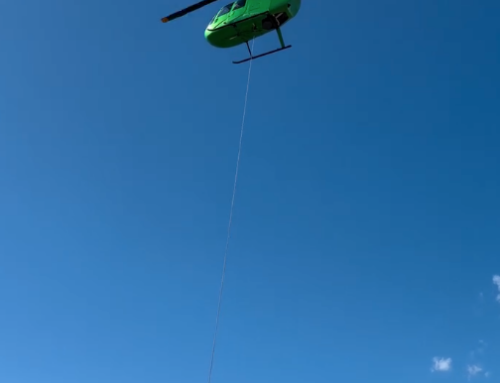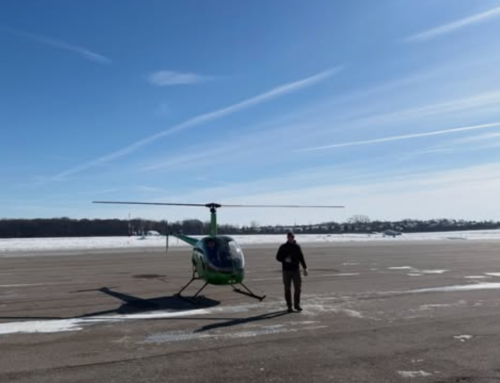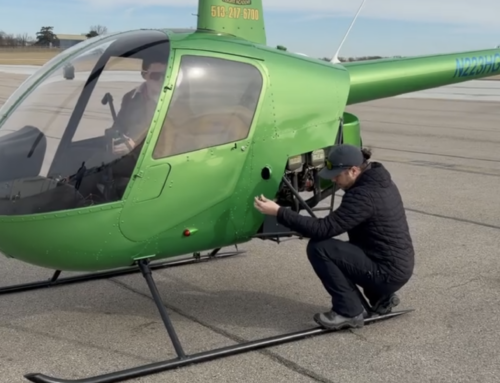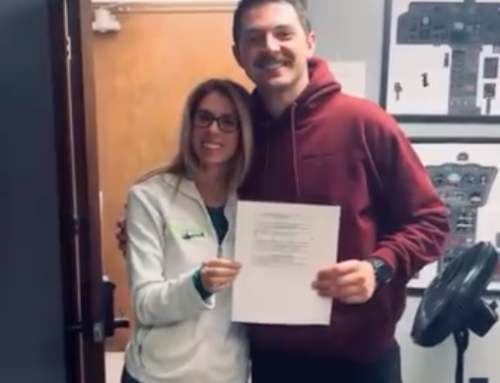
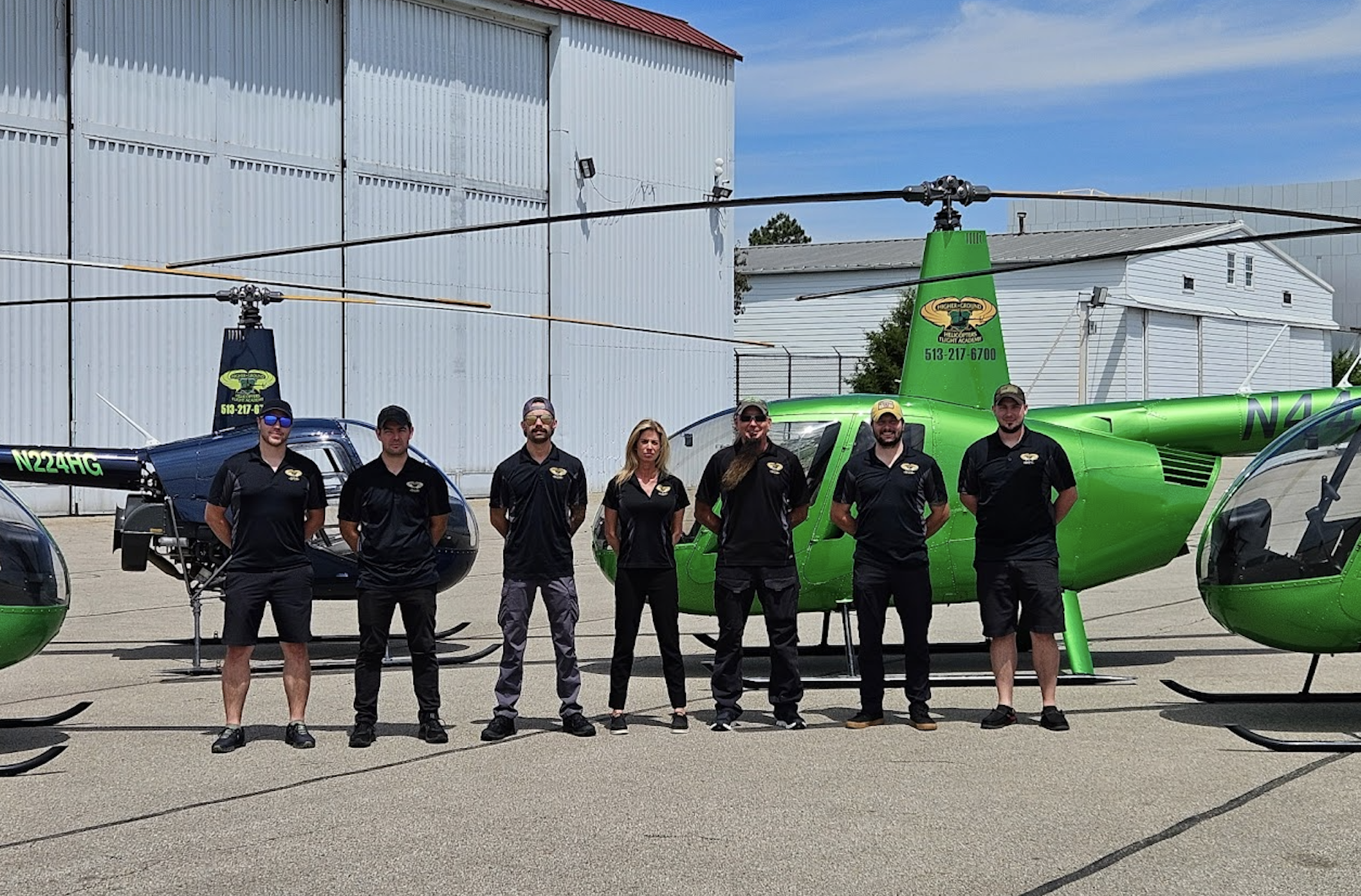
Becoming a helicopter pilot requires a mix of technical know-how, physical coordination, and strong decision-making skills. Success in the cockpit comes from applying these skills smoothly under real-world conditions.
Looking to take your career to new heights? Now is an ideal time to become a helicopter pilot.
The U.S. military is facing a shortage of qualified rotary-wing pilots, but opportunities extend far beyond military service. Commercial aviation, emergency response, and private operations all need skilled pilots. With demand increasing across multiple sectors, a career as a helicopter pilot offers both growth and stability.
Explore the top skills that aspiring pilots need to succeed and see what it takes to launch a career in this high-demand field.
Mastering Helicopter Controls
Operating a helicopter requires:
- Precision
- Coordination
- Focus
Pilots develop the ability to maneuver smoothly through repeated practice in a variety of conditions.
Hovering, autorotations, and rapid transition drills challenge pilots to maintain stability and respond quickly. Over time, control becomes second nature, allowing pilots to operate safely and efficiently even in demanding situations. Building confidence comes from mastering key maneuvers, including:
- Takeoffs
- Landings
- Turns
- Altitude changes
Aviation Communication Skills
Clear communication with air traffic control and crew is critical for safety. Pilots relay position, altitude, and intentions to prevent conflicts and maintain situational awareness. Misunderstandings can lead to serious incidents, making precision in language and timing critical.
According to research highlighted by The Week, human error accounts for up to 80% of aviation accidents, with pilot mistakes contributing to 53% of cases. Many of these errors involve miscommunication, including misunderstood instructions or missed information.
Strong communication supports teamwork and decision-making, helping pilots respond quickly to changing conditions and prevent small errors from becoming serious problems. Pilots develop habits like confirming instructions, calling out changes, and relaying key information to keep the whole team aligned.
Situational Awareness and Decision-Making
Successful pilots notice changes in the environment and recognize potential challenges before they become problems. They track multiple factors at once, such as weather, traffic, and aircraft performance, to stay ahead of the situation.
Quick, confident decision-making relies on combining observation with knowledge and experience. Pilots practice evaluating options and acting under pressure, sharpening instincts that help them respond effectively in any scenario.
Flight Safety Techniques
Mastering safety protocols, risk management, and emergency procedures is a core skill for pilots. Making fast, informed decisions under pressure helps pilots react effectively in high-stakes situations.
Emergency Handling
Pilots practice precise control inputs for engine failures, autorotations, and other malfunctions. Repetition trains instincts so that reactions are quick and confident during real emergencies.
Risk Prioritization
Evaluating threats from weather, terrain, and traffic develops judgment under uncertainty. Pilots learn to identify the most pressing hazards and respond in the correct order.
In-Flight Problem Solving
Unexpected issues require rapid assessment and adjustment. Pilots train to diagnose mechanical or navigational problems and take immediate, appropriate action.
Monitoring and Awareness
Scanning instruments and observing external cues develops constant vigilance. Pilots improve their ability to detect early signs of trouble and act before situations escalate.
Advanced Piloting Skills
Mastering advanced maneuvers and instrument flying separates highly skilled pilots from those still developing their craft. Handling complex scenarios demands the ability to process multiple inputs quickly and adapt to unexpected challenges.
Refine Complex Maneuvers
After mastering foundational maneuvers like steep turns and autorotations, pilots focus on precision flying in more challenging conditions. Advanced maneuvers challenge timing, coordination, and judgment to sharpen control and responsiveness.
Instrument Flying
Flying solely by instruments requires interpreting multiple gauges simultaneously. Pilots must maintain altitude, heading, and airspeed while monitoring systems and adjusting for weather.
Emergency Procedures
Responding to engine failures, hydraulic issues, or unexpected weather demands fast assessment and decision-making. Pilots train for rare emergencies, so responses become second nature.
Scenario-Based Training
Simulated exercises expose pilots to unexpected challenges without real-world risk. Flight academies like Higher Ground Helicopters offer structured scenario-based sessions where pilots practice advanced maneuvers and emergency procedures. Each exercise strengthens judgment, situational awareness, and confidence under pressure while giving pilots a safe space to refine skills.
Frequently Asked Questions
How Long Does it Take to Become a Helicopter Pilot?
The timeline to become a helicopter pilot varies depending on the program and your schedule. For part 141 flight schools, students attending full-time in an associate or bachelor’s degree program can complete training in one to two years.
Evening and flexible schedules allow working professionals to train without pausing their careers. Flight and classroom instruction focus on gradual skill development, so each maneuver and procedure is practiced until it can be executed smoothly.
What Vision Do You Need to Be a Helicopter Pilot?
Helicopter pilots are required to meet specific vision standards for safety and accuracy in the cockpit. Experts at The Aviation Medicine Advisory Service (AMAS) note that distant and near vision must be correctable to 20/20, and color vision must allow recognition of aviation lights and signals.
Depth perception and peripheral vision are also evaluated because they are essential for spatial awareness during maneuvers such as:
- Hovering
- Landing
- Navigating tight spaces
Regular eye exams help maintain the standard required for medical certification.
Can You Become a Helicopter Pilot Without Military Experience?
Absolutely. Military experience is not required to become a helicopter pilot. Civilian pathways allow anyone meeting medical and age requirements to train and earn a pilot license.
Students can develop the same core skills military pilots learn through structured flight training and ground instruction. Many professional pilots enter the industry entirely through civilian schools and progress into commercial or instructor roles without military service.
Become a Helicopter Pilot: The Path Begins Here
Helicopter piloting demands sharp technical skill, quick decision-making, and strong communication. Mastering these abilities sets the foundation for a successful career in the cockpit.
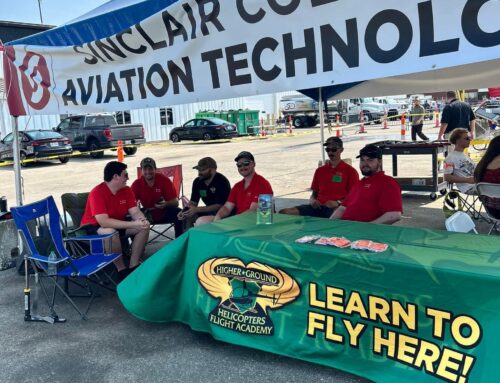
Higher Ground Helicopters Flight Academy combines rigorous training with flexible evening schedules. Standards exceed FAA requirements, preparing pilots to perform at a professional level. We’re also a partner with Sinclair College, allowing you to earn a recognized degree alongside flight training.
Contact our team to learn how our training can help you become a helicopter pilot ready to excel and launch your aviation career.