How hard is it to get a helicopter license? The process is moderately difficult: hovering and emergency procedures challenge most beginners, while written tests and flight-hour requirements add structure and pressure. Still, thousands of new pilots earn their certificates each year, proving that it’s challenging but achievable.
Are you wondering if you have the skills, time, or confidence to start helicopter pilot training? Today, we’re taking a closer look at the real challenges of helicopter license requirements, why certain skills feel tough in the beginning, and what you can expect from the aviation license process as a whole.
Do Helicopter Pilots Make Good Money?
Helicopter pilot training costs a fair bit, so it’s reasonable to ask whether the career pays off. On average, in the United States, helicopter pilots earn about $100,249 per year.
Starting jobs often pay closer to $90,000 to $95,000 yearly. With experience, specialized skills, or work in high-demand sectors like EMS or corporate transport, many pilots earn between $110,000 and $130,000 per year. High-end operators sometimes offer even more for qualified, experienced pilots.
Location, job type, and pilot certifications all influence pay. With dedication and commitment, it’s possible to make solid money compared to the time and effort invested in helicopter pilot training and obtaining a license.
How Long Does It Take to Get a Helicopter License?
Many students want a clear sense of timing before they begin training. Progress often depends on availability, weather, and the structure of helicopter flight schools. A few key factors shape the timeline.
- Training schedule
- FAA minimums
- School structure
Training Schedule
Full-time students often move through helicopter license requirements faster than part-time students. Consistent lessons help skills stick and keep each stage of training moving at a steady pace.
Gaps in training slow progress and lead to extra review time, which adds flight hours and increases costs.
FAA Minimums
The FAA sets minimum flight hours for each license, yet most students need more time to meet skill standards. A private pilot license often includes at least forty hours, though many students reach proficiency closer to fifty or sixty.
Commercial training adds more hours, which stretches the schedule for those who train only a few days per week.
School Structure
Part 141 helicopter flight schools follow a structured plan that moves students through each phase with set lesson blocks. Part 61 schools offer more flexibility, which works well for busy students, but sometimes extends the total timeline.
Both paths can lead to strong results with consistent effort.
How Hard Is It to Get a Helicopter License?
Helicopter controls demand steady focus, and progress often depends on how quickly a student adapts to the movement of the aircraft. Several key challenges shape the learning curve:
- Coordination demands
- Emergency skill training
- Hover practice
- Mental workload
Coordination Demands
Helicopters respond to small inputs, so students learn to manage the cyclic, collective, and pedals at the same time. Each control influences the others, which means small mistakes can stack up.
Most students see steady improvement with frequent lessons and relaxed attention.
Emergency Skill Training
Instructors introduce emergency procedures early in helicopter pilot training. Autorotations and system failure responses can feel intense at first, yet repetition builds confidence.
Many students grow more comfortable once they understand how each maneuver protects them in real situations.
Hover Practice
Hovering often feels like the toughest early skill. The helicopter reacts quickly, and students work to avoid overcorrecting. Progress usually comes in short bursts.
Once a student gains the feel for the controls, hovering becomes far more stable.
Mental Workload
The early phase of training brings a heavy mental load. Students track altitude, position, radio calls, and traffic while managing the controls.
Skills become easier as muscle memory develops, which helps the aviation license process feel more manageable.
Common Pilot Certification Hurdles and How to Overcome Them
Many students face similar challenges while moving through helicopter pilot training. Skill development takes time, and progress can vary from week to week.
Several points tend to shape the experience for new pilots:
- Physical challenges
- Mental strain
- Weather delays
Physical Challenges
Learning to manage the cyclic, collective, and pedals requires steady hand-foot coordination. Early flights can feel tiring, especially when hovering or practicing maneuvers that need quick adjustments.
Students often feel more relaxed once muscle memory begins to form through repetition.
Mental Strain
The aviation license process includes radio work, navigation tasks, and aircraft monitoring. Juggling each part of the workload can feel intense at first.
Many students improve by breaking tasks into smaller steps and asking instructors to explain any part that feels unclear.
Weather Delays
Unpredictable weather slows progress for many students. Strong winds, low clouds, or poor visibility can cancel a lesson with little warning.
Flexible scheduling and regular study time help students stay on track even when flights get moved to another day.
Frequently Asked Questions
What Medical Conditions Can Prevent Someone From Becoming a Helicopter Pilot?
The FAA medical exam checks for conditions that could interfere with safe flying. Issues involving vision, heart health, neurological disorders, or certain medications can lead to extra review.
Some applicants qualify for a special issuance after further evaluation. Many people with mild or managed conditions still pass, but each case depends on the aviation medical examiner’s assessment.
How Much Does It Cost to Earn a Helicopter License?
Training costs vary across helicopter flight schools, but most students spend a significant amount on flight hours, materials, and exam fees. A private helicopter license often falls in the range of several thousand dollars, and commercial training costs more.
Students who train often and avoid long breaks usually finish with fewer extra hours, which helps limit total cost.
Learn From the Best Helicopter Flight Schools
So, how hard is it to get a helicopter license? Now you know! With clear expectations and regular lessons, the process becomes far more manageable.
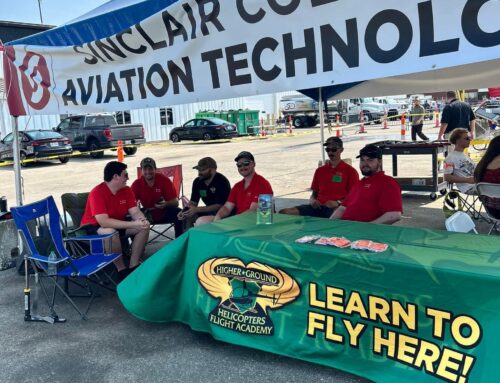
Higher Ground Helicopters offers flight training, tours, and charter services throughout the greater Cincinnati area. Our team is based at Wright Brothers Airport and focuses on helping working adults become professional pilots.
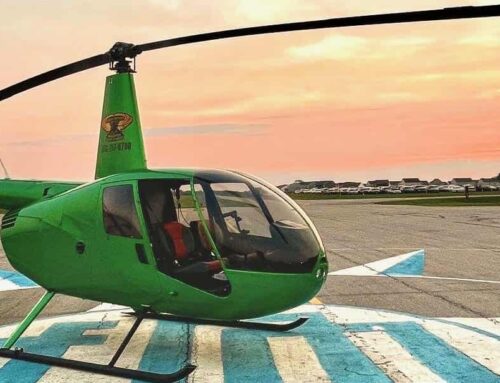
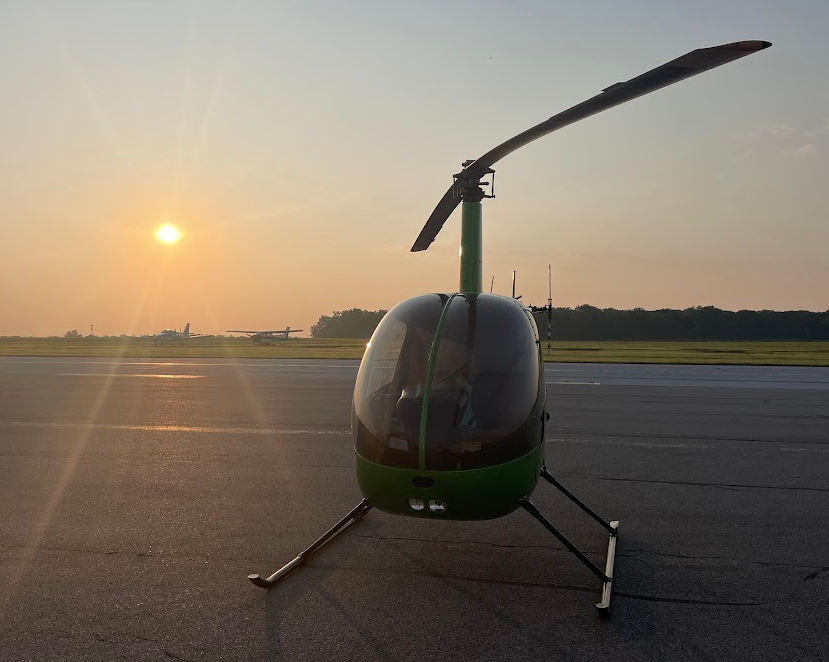
We provide flexible Part 61 and Part 141 programs, veteran-led instruction, a reliable U.S.-built fleet, and strong career pathways, including options that pair flight training with a college degree.
Get in touch today to find out how we can help with your training!