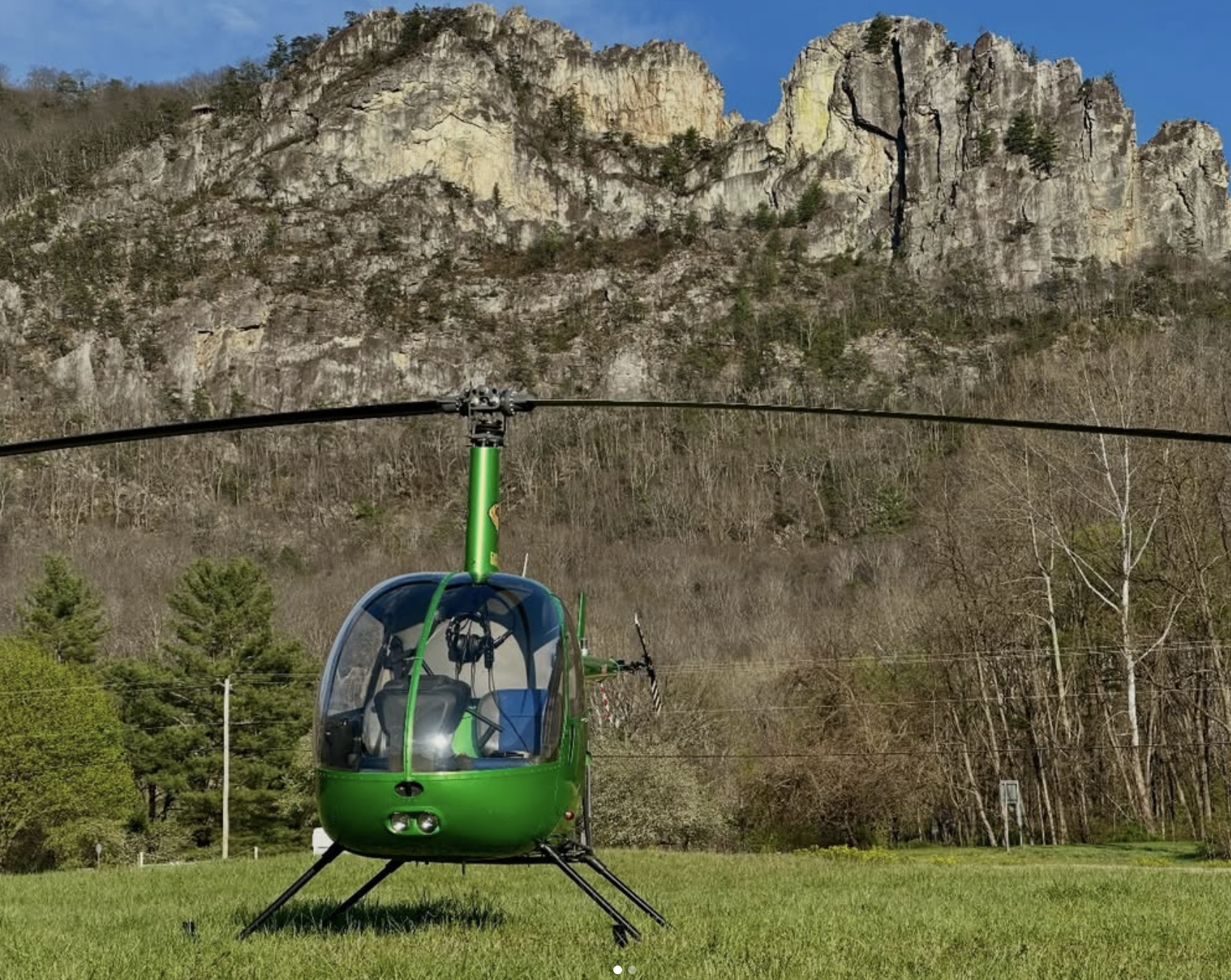
Becoming a helicopter pilot in 2026 typically costs between $70,000 and $120,000 or more, depending on your training path, location, and career goals. Most of that expense comes from flight hours, licensing, and advanced certifications required to work professionally. If you’re asking, “How much does it cost to become a helicopter pilot?” the short answer is: it’s a significant investment, but one that can lead to a specialized and rewarding career.
According to Boeing’s Pilot and Technician Outlook, the aviation industry will need hundreds of thousands of new pilots globally over the next two decades. Wondering if that demand makes the cost worth it? Let’s look into the full cost of training, what drives those expenses, and how to plan financially for becoming a helicopter pilot.
Is Pilot a Good Career in 2026?
For anyone thinking about becoming a helicopter pilot, it helps to weigh both the financial side and the lifestyle before getting started. A few key factors shape whether it’s a good fit:
- Industry demand
- Salary potential
- Lifestyle expectations
Industry Demand
The need for skilled pilots remains steady in areas like emergency medical transport, tourism, and offshore operations. Companies still rely on experienced professionals to fill these roles, which keeps opportunities open for new pilots entering the field.
Salary Potential
Pay can vary widely. Entry-level roles often start lower, especially for instructors or tour pilots. Over time, earnings can increase with experience and specialized work. When compared to helicopter pilot expenses in 2026, it may take a few years to see a full return.
Lifestyle Expectations
Schedules can be unpredictable. Some jobs require travel or time away from home. For many, the trade-off feels worth it, especially when working in dynamic environments tied to 2026 aviation career costs and demand.
How Much Does It Cost to Become a Helicopter Pilot?
Getting started as a helicopter pilot comes with a wide price range, which can surprise many first-time learners. The total cost depends on how far you plan to go in your training and the type of work you want later on. For most people, the full path to a career-ready level falls between $70,000 and $120,000 or more.
So, how much does it cost to become a helicopter pilot? At the lower end, a private license may cost around $15,000 to $25,000.
That level allows you to fly for personal use but not for paid work. To earn income as a pilot, most students move on to a commercial license, which raises the total helicopter pilot license cost into a much higher range.
Several factors shape the final number. Flight schools set their own hourly rates, and helicopter rental is more expensive than airplane training. The number of hours needed to meet licensing standards plays a major role as well. Students who train full-time often finish faster, which can help control some expenses.
Breakdown of Helicopter Pilot Training Costs
The total price of training can feel unclear at first, but it becomes easier to understand once you see where the money goes. Most of the cost of helicopter pilot training comes from a few major areas that add up over time. Each part plays a role in reaching the required skill level and passing exams:
- Flight hours
- Instruction and ground school
- Exams and licensing fees
- Equipment and materials
Flight Hours
Flight time makes up the largest share of the helicopter license cost. Helicopters cost more to operate than airplanes, so hourly rates can range from $250 to $600 or more. Students need a set number of hours to qualify for each license, and many go beyond the minimum to build confidence.
Instruction and Ground School
Along with flight time, students pay for instructor guidance and classroom learning. Ground school covers:
- Weather
- Navigation
- Safety rules
These lessons build the knowledge needed for written exams.
Exams and Licensing Fees
Written tests and practical checkrides come with separate fees. Each attempt adds to the total, especially if a retake is needed.
Equipment and Materials
Headsets, charts, and study tools may seem minor at first, but they still add to helicopter pilot expenses in 2026. Over time, these smaller costs can become noticeable.
Hidden Costs
Travel and housing often add a noticeable amount. Some students move closer to a flight school or stay in temporary housing during training. Daily costs like fuel, meals, and transportation can build up over several months.
Insurance and retesting fees are another factor. If a student needs to repeat a checkride or exam, that means paying again for aircraft time and instructor support.
Frequently Asked Questions
How Long Does It Take to Become a Helicopter Pilot in 2026?
Training timelines can vary based on schedule and budget. Full-time students may finish in about 12 to 18 months, while part-time learners often take closer to two years or more.
Weather delays, instructor availability, and personal pace all affect progress. Staying consistent with lessons usually helps shorten the timeline.
Are There Financing Options for Helicopter Training?
Many students rely on loans designed for aviation training. Some flight schools offer payment plans that spread costs over time.
Credit requirements and interest rates can differ, so it helps to compare options before committing. Scholarships from aviation groups may cover part of the cost for qualified applicants.
Can You Become a Helicopter Pilot Without a College Degree?
A college degree is not required to earn a helicopter license. The Federal Aviation Administration focuses on:
- Flight hours
- Testing
- Medical fitness
Some employers prefer a degree for advanced roles, though many pilots build careers through experience and certifications alone.
2026 Aviation Career Costs
How much does it cost to become a helicopter pilot? Now you know. Becoming a pilot takes time, planning, and a clear budget. With the right approach, training costs can be managed, making a career in helicopter aviation possible for many aspiring pilots.
At HGH Helicopters, we operate as a Part 141 school partnered with Sinclair Community College, offering degree paths and access to financing or grants. We set higher standards than the FAA, leading to strong first-time pass rates and well-prepared pilots. Our evening group ground schools support working students, helping them finish faster. We often hire top graduates as CFIs, creating direct career opportunities.
Get in touch today to find out how we can help with your path to being a pilot.