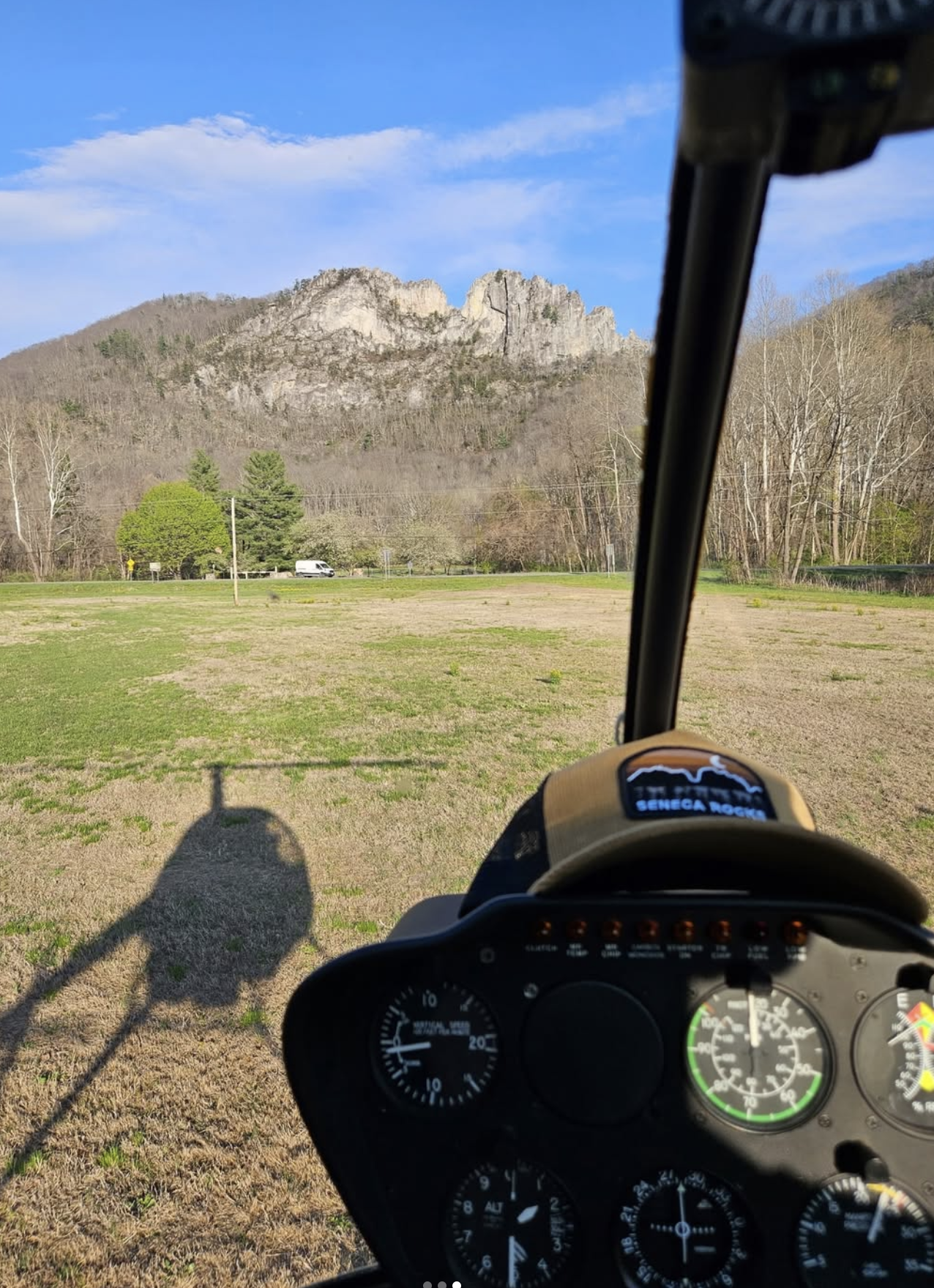
Private helicopter license training is the first big step for anyone who wants to move from curiosity to the cockpit. If you are comparing helicopter license vs pilot license cost, exploring helicopter pilot training, or reviewing different aviation license types, the path becomes clearer once you understand how each stage builds on the last.
According to the latest data, there are more than 125,000 certified flight instructors in the U.S., each helping new pilots build confidence, skill, and discipline in the air.
At Higher Ground Helicopters in Cincinnati, our training approach is structured to take students from zero flight time to a Certified Flight Instructor role in as little as 10 to 18 months. The program blends hands-on flying with flexible evening ground school sessions to support consistent progress.
Learn the helicopter certification process, what defines an effective instructor, and how this training path can support long-term aviation goals.
What Is the Path to Earning a Private Helicopter License?
Every aviation journey starts with a strong foundation. Earning a private helicopter license begins with meeting private pilot requirements and building core flight skills that carry through every stage of training.
This first phase of helicopter pilot training introduces essential areas such as:
- Helicopter flight control
- Navigation and route planning
- Safety procedures and awareness
After that foundation is in place, students move into the next step within aviation license types by pursuing a Commercial Pilot License. This phase focuses on refining technique and preparing for real-world flight operations.
Following commercial training, students enter the instructor phase. At this point, training shifts from learning how to fly to learning how to teach others safely and effectively, which is a key part of the helicopter certification process.
Additional options, such as instrument instructor training, allow students to expand their capabilities even further.
Flexible evening ground school schedules and degree partnerships help create a more manageable path for students balancing other responsibilities while completing training.
How Do Weather and Airspace Impact Early Training?
Early in training, factors like local weather patterns and controlled airspace shape how quickly you progress. Wind conditions, visibility, and traffic density all influence lesson frequency and complexity.
Learning to adapt in these environments builds confidence and prepares you for real-world flight scenarios from the start.
What Makes a Strong Flight Instructor?
Strong instructors combine technical ability with the ability to communicate clearly. Being able to explain complex maneuvers in a way that students understand is just as important as performing them correctly.
Training environments that encourage collaboration help reinforce this skill. Learning alongside peers allows students to practice explaining concepts and reinforcing their own understanding.
Safety remains central throughout the process. Instructors consistently model decision-making, awareness, and discipline in the aircraft. These habits shape how future pilots approach risk and responsibility.
Adaptability is also important, since no two students learn the same way. Adjusting instruction methods helps ensure progress stays consistent.
Graduates who demonstrate these qualities often transition into instructional roles, where they continue building experience while supporting new pilots.
Why Choose Higher Ground Helicopters?
Higher Ground Helicopters in Miamisburg offers a training environment focused on efficiency and real-world readiness. The program is designed to go beyond minimum standards and prepare students for professional expectations.
Flexible scheduling allows students to continue working while progressing through training. Group-based learning also encourages engagement and a deeper understanding of aviation concepts.
The program has built a strong track record of preparing students for successful FAA checkrides and career opportunities. This creates pathways into fields such as:
- EMS
- Law enforcement
- Corporate aviation
Students who perform well may be offered instructor roles, allowing them to continue building hours while gaining teaching experience. This creates a direct transition from training into professional development.
How Can You Excel After Earning Your Private Helicopter License?
After earning a private helicopter license, continued development becomes the priority. Building consistency in both flight performance and decision-making helps strengthen long-term success.
Clear communication remains one of the most valuable skills, especially for those moving into instructional roles. Explaining concepts effectively improves both teaching and personal understanding.
Professional habits, including preparation and attention to safety, help establish credibility early on. Consistent execution of these fundamentals separates average pilots from reliable ones.
Opportunities to teach or assist in training environments provide valuable experience, helping pilots refine both technical and instructional abilities over time.
Frequently Asked Questions
How Quickly Can I Build Flight Hours as a CFI?
Working as a certified flight instructor allows pilots to build hours consistently while staying active in training environments. This is often one of the most efficient ways to gain experience after completing initial certifications.
Can I Continue My Education While Training?
Yes. Partnerships with institutions like Sinclair Community College allow students to combine academic programs with flight training.
What Should I Expect From the Helicopter Certification Process?
The helicopter certification process includes both flight proficiency and instructional development. Students learn how to guide others, communicate clearly, and maintain safe flight practices.
How Does Helicopter License Comparison Work?
A helicopter license comparison often looks at training scope, cost, and long-term goals. Factors like helicopter license vs pilot license cost, career intent, and time commitment all influence which path makes the most sense.
What Should New CFIs Focus on First?
New instructors should prioritize communication, safety awareness, and consistency in their teaching approach to help students progress effectively.
Does Higher Ground Helicopters Hire Its Graduates?
Yes. Graduates who meet performance standards may be offered instructor positions, giving them the opportunity to continue developing within the same training environment.
Launch Your Career With a Private Helicopter License
Building a career in aviation starts with the right foundation, and a private helicopter license plays a key role in that process. From there, continued training and experience open doors to more advanced opportunities.
This program combines structured flight training, flexible scheduling, and practical experience to support long-term growth. Students who stay consistent and focused can move directly into instructional roles, gaining valuable flight hours along the way.
Start your journey in Miamisburg, OH, build your skills, and take the next step toward a professional aviation career.