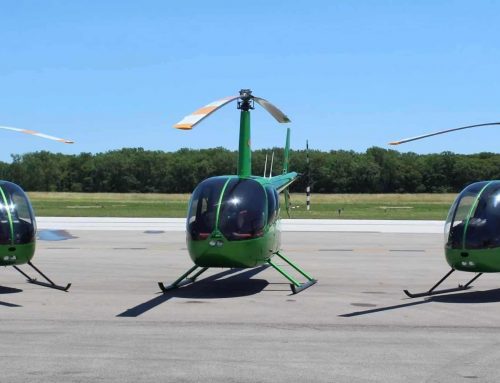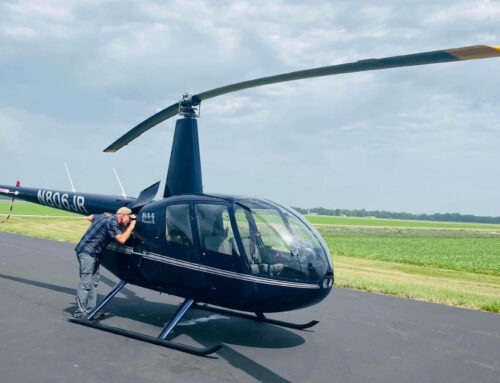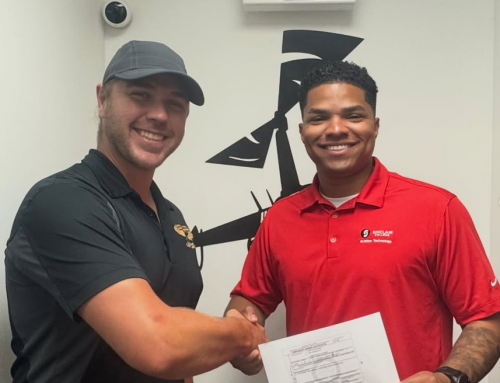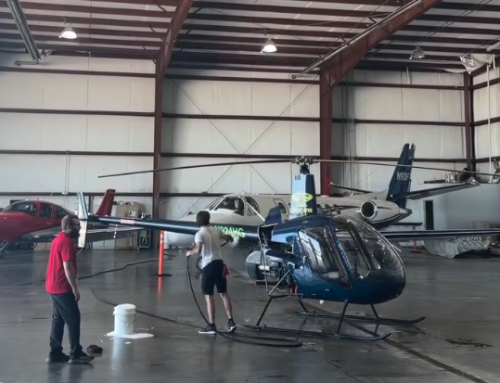
A helicopter pilot course teaches you to fly a helicopter safely and earn the FAA certificates that turn a beginner into a working pilot. The training runs on two tracks at once: ground school that explains how flight works, and cockpit time that builds real flying skill. Most people start with a private rating and climb a fixed ladder of certificates to a level that employers will hire.
The payoff is well recognized. The U.S. Bureau of Labor Statistics reports that commercial pilots earned a median of $122,670 in May 2024, and the field is projected to add about 18,200 pilot openings a year through 2034. Helicopter operators feel that demand is sharply increasing because medical transport, search and rescue, tourism, and utility work all chase the same small pool of rotor-qualified pilots.
You do not need a college degree or any aviation background to start, only steady study habits and a school with the right FAA approval. Strong pay and an open door make this a rare high-skill career anyone can enter.
What Does a Helicopter Pilot Course Cover?
Every helicopter pilot course has two parts that run side by side. Any good aviation course overview makes that split clear: ground school teaches the knowledge you need on the ground, while flight training puts it to work in the air. You cannot skip either one, because the FAA tests both.
Ground school takes place in a classroom or online, and the FAA-approved syllabus sets exactly what you’ll study. You must master these subjects before your written exam and check ride. Ground school topics include:
- Aerodynamics and how rotors create lift
- Federal aviation regulations
- Weather and how it affects flight
- Navigation and flight planning
- Helicopter systems and engine basics
A solid grasp of these subjects keeps you safe long after graduation.
Flight training is the hands-on side of helicopter training. Your first helicopter flight lessons focus on the hover, the hardest skill in the cockpit. Helicopters react fast, so expect steady practice before things click.
From there, you build toward take-offs, landings, and traffic patterns. You also drill autorotations and other emergency procedures until they feel routine. You fly with an instructor first, then solo once you prove you are ready.
What Are the Milestones in Helicopter Pilot Training?
Helicopter pilot training follows a clear ladder of rotorcraft certification. Each one unlocks new privileges and builds on the last. Knowing the order helps you plan your time and your budget.
The main pilot course milestones come in a set order:
- Private Pilot License
- Instrument Rating
- Commercial Pilot License
- Certified Flight Instructor
The same four steps apply at every U.S. helicopter school, so your plan travels with you.
Your private helicopter license comes first, and it proves you can fly solo with passengers. The instrument rating then teaches you to fly safely in low visibility and poor weather. Earning your commercial pilot certificate is the milestone that lets you fly for pay.
How Long Does It Take to Become a Helicopter Pilot?
Timelines vary, but a focused student can become a helicopter pilot in one to two years. The pace depends on how often you fly and which path you choose. A structured Part 141 program can trim hours off the minimums and keep you on a steady schedule.
Flight hours drive much of the timeline. The FAA sets a minimum of 40 hours for a private helicopter certificate, though most students need 50 to 75. A commercial certificate takes well over 100 hours of helicopter flight training.
Several factors affect how fast you finish:
- How many days a week do you fly
- Weather and aircraft availability
- How quickly you pass each stage check
- Your study habits outside of class
Steady, frequent practice is the surest way to keep your timeline short. The effort pays off in a strong job market. The industry group VAI estimates a shortage of nearly 61,000 helicopter pilots worldwide by 2038, against only about 15,000 active pilots in the U.S. today.
Frequently Asked Questions
Do You Need a Medical Certificate to Fly a Helicopter?
Yes, you need an FAA medical certificate before your first solo flight. Student and private pilots usually qualify with a third-class medical. Paid commercial work calls for a stricter second-class medical.
What Is the Minimum Age to Start Helicopter Flight Training?
You can take lessons at any age, but the FAA sets minimums for each certificate. You must be at least 16 to fly solo and 17 to earn a private certificate. The commercial certificate requires you to be 18 or older.
How Much Does a Helicopter Pilot Course Cost?
Costs vary with the aircraft, location, and the hours you need. A private certificate often runs into the tens of thousands of dollars, and a full career program costs more. Financing, college aid, and GI Bill benefits can ease that for those who qualify.
What Jobs Can You Get With a Commercial Helicopter Certificate?
A commercial certificate opens careers well beyond flight instruction. Pilots work in medical transport, news reporting, offshore oil support, tourism, and utility jobs like long line work. Many begin as instructors to build the hours these roles require.
Is It Hard to Learn to Fly a Helicopter?
Flying a helicopter is tough at first, since the hover uses your hands and feet at once. Most students feel steadier after a handful of lessons as muscle memory builds.
Start Your Helicopter Pilot Course in Cincinnati
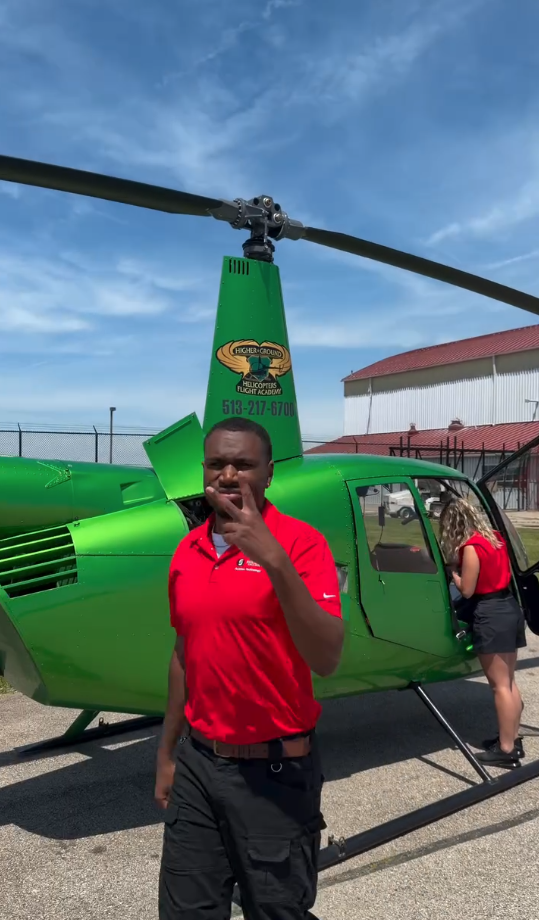
A helicopter pilot course is a big commitment, and the school you choose shapes the whole journey. Higher Ground Helicopters is Ohio’s only FAA-approved Part 141 helicopter flight school, based at Wright Brothers Airport near Cincinnati. Through its partnership with Sinclair Community College, you can earn a college degree while you train.
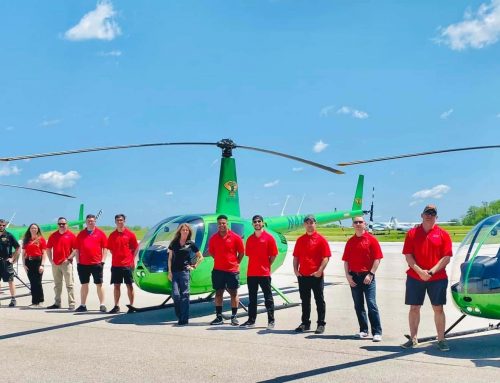
The helicopter pilot program is built around working adults and takes students from zero hours to an employable instructor in as little as 10 to 18 months. With six American-built helicopters on site and a staff that is nearly 80% veterans or program graduates, you learn from people who have flown the path before you. GI Bill and VA benefits are accepted for those who qualify.
Your career in the cockpit can start sooner than you think. Schedule a visit today and take the first step.