Knowing all about helicopter service and helicopter mechanic training is important if you want to begin a career within the aviation industry. Some of the helicopter safety measures for safe flights include eliminating distractions, going through pre-flight safety checks, and more.
Zippia reports that there are over 40,000 helicopter mechanics in the United States. Although tens of thousands of individuals employed in a field may seem like quite a bit, it is actually a small percentage in comparison to the job market in general.
Helicopter mechanics are an essential component within the aviation system, and their role is to ensure that the machinery is safe for pilots and crew members to operate.
How Long Does It Take To Become a Helicopter Mechanic?
According to Indeed, education to become a helicopter mechanic can take anywhere from 30 to 36 months, depending on the type of program that you choose. Some of the education options include:
- Enrolling in an aircraft mechanic school
- Joining the armed forces
- Earn a degree in a relevant field
- Working as an apprentice
Ultimately, the choice comes down to your budget and how much time you can invest in your education. For example, if you are in your early twenties, then full-time school may be the ideal solution. However, a working professional might need another path that can allow them to work around an existing career.
What Do You Need To Become a Helicopter Mechanic?
The main education requirement to become a helicopter pilot is the Airframe & Powerplant (A&P) Certificate, which aspiring mechanics can obtain through many different methods. You will need to take several exams for the certification, both computerized and in-person, before you are allowed to work on helicopters.
Helicopter Safety Measures for Safe Flights
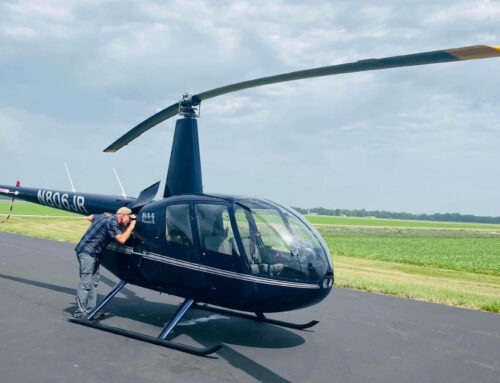
The main role of an individual in charge of helicopter service is to ensure that the aircraft is completely safe to fly. Even the smallest overlooked malfunction can be deadly if not corrected. Helicopter mechanics must take a methodical approach when inspecting the aircraft so that the pilot feels comfortable flying it.
Eliminate Distractions Before and During the Flight
Every individual working on the helicopter needs to ensure that there are no distractions. Passengers also need to be aware that, even if autopilot controls are in effect, the pilot still needs to focus on the sky and be aware of their surroundings.
Clear Your Blades
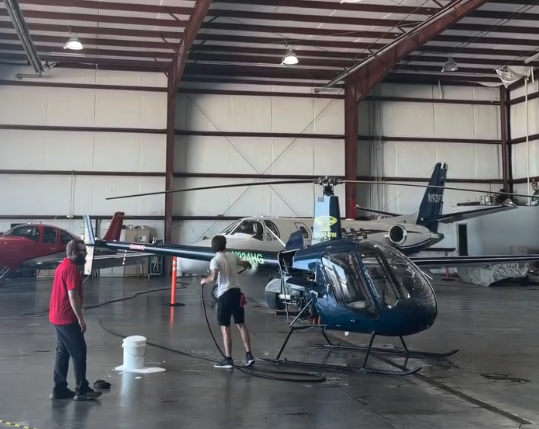
Any debris in the helicopter blades can alter the trajectory of the flight and cause major problems while up in the air. Always make sure to use microfiber cleaning cloths and gentle cleaning solutions to avoid corrosion on the blades. Rinse thoroughly to avoid soap residue and grime accumulating on the blades.
Consider using a water-repellent wax to prolong the cleanliness. Always make sure that the helicopter is powered down before touching or going anywhere near the blades.
Educate Passengers, if Any
Passengers must understand how to keep themselves safe during the flight and which actions to take in case of an emergency. For instance, if the pilot is suddenly incapacitated, passengers should know how to communicate with ground control and effectively land the aircraft without major problems.
Don’t Rely Completely on Automated Systems
While aviation technology has made incredible progress over the past few decades, it isn’t completely foolproof. Pilots can rely on automated systems to steer and operate the aircraft, but they also need to understand how to fly the aircraft without the aid of those tools.
This principle applies to mechanics as well. Mechanics should do their own pre-flight safety checks and perform inspections with visual confirmations, rather than relying on the assessments of automated machinery.
Frequently Asked Questions
How Often Should You Perform Helicopter Maintenance Processes?
It depends on the type of maintenance or inspection that your helicopter needs. There are many different levels of inspection, including:
- Pre-Flight Inspection: Includes checking key elements such as the blade conditions and fluid levels, along with the advisory panel that alerts the pilot if there is a problem
- 100-Hour Inspection: Required by the Federal Aviation Administration (FAA) and focuses on inspecting all major operating systems within the helicopter
- Annual Inspection: Tests the structural integrity of the helicopter and searches for corrosion that could cause problems in the future
- Overhaul Maintenance: Often includes a complete disassembly of the helicopter, along with the inspection of every part, and ordering necessary replacements before reassembly
- Routine Maintenance Checks: Inspections that typically occur every 25 to 50 hours of flight time, with checks on filter replacements, oil changes, and more
When Is It Time To Retire a Helicopter?
All helicopter models have flight limitation hours, and once the hours are met, the helicopter is no longer eligible to fly. It will either need to be retired or have a total rebuild to ensure that all parts function properly and the machine is safe to fly. Even if the aircraft hasn’t met its flight hours, it may be retired when the maintenance cost exceeds the cost of replacement.
What Aviation Safety Protocols Exist While in the Air?
While the protocols can differ depending on whether you’re flying an airplane or a helicopter, there are several guidelines that pilots and crew members need to follow to safely operate the aircraft. Some of the most important considerations include mandatory rest times and understanding.
Understand the Ins and Outs of Helicopter Service
Whether you are new to helicopter flights or you are an experienced pilot, it is crucial to know all about helicopter service. Use this guide to understand what types of training you may need and how to perform helicopter maintenance for increased safety in the air or on the ground.
At Higher Ground Helicopters, our experienced team is dedicated to training all types of pilots and helicopter mechanics. Based out of Cincinnati, Ohio, our flexible training model is designed to accommodate a variety of students and always keeps up with evolving helicopter training requirements.
Are you ready to learn how to confidently fly and maintain a helicopter? Reach out to us today to begin your journey. We can’t wait to work with you!