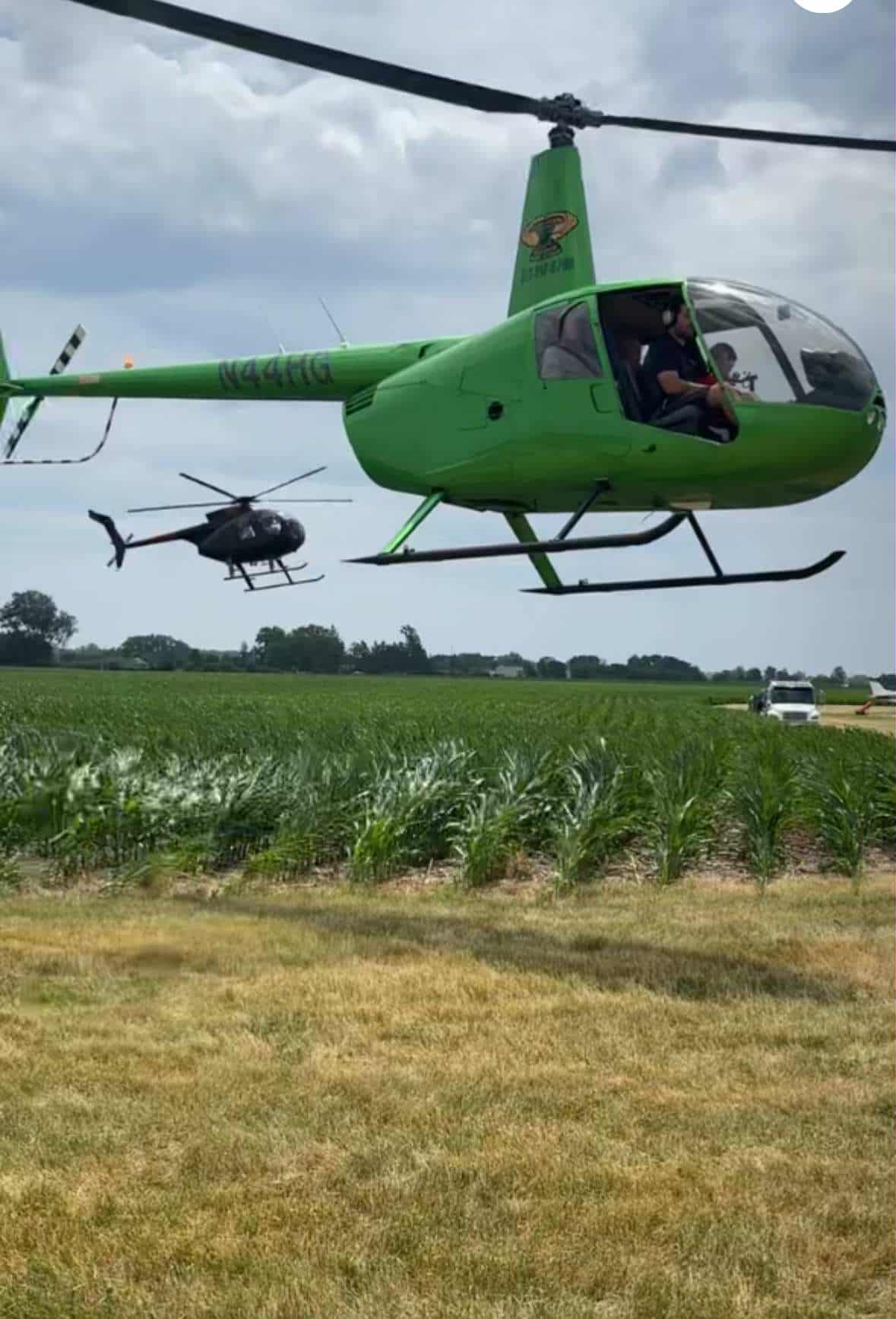
Performing well in your helicopter flight lessons means focusing on learning the controls, practicing often, and working on your handling skills. You’ll also want to learn safety techniques and take your time with your lessons.
According to Zippia, there are over 4,945 helicopter pilots currently employed in the United States. If you’re pursuing certification, then that’s likely one of your overall goals. Don’t take your lessons lightly if you want to succeed.
Here are five crucial tips for helicopter pilot training.
1. Build a Strong Foundation in Aerodynamics and Controls
Before you can take control of a helicopter, you must understand how it behaves in the air. Helicopters rely on complex aerodynamic principles. These include the lift generated by rotating blades and the interaction between cyclic, collective, and anti-torque pedals.
During your lessons, take time to fully grasp:
- How the cyclic controls directions and tilt
- How does the collective change attitude
- How pedals manage yaw and balance
Mastering these basics early will improve your confidence and performance. Many students struggle because they rush past foundational knowledge. A deep understanding ensures you respond correctly in both routine and emergency situations.
2. Practice Consistency Through Flight Simulation Exercises
Flight simulation exercises are some of the most effective ways to reinforce your learning without the pressure of real-world flying. Modern simulators replicate real cockpit environments. You can practice your rotorcraft handling skills on repeat at your leisure.
Benefits of simulation include:
- Safe repetition of difficult maneuvers
- Exposure to emergency scenarios
- Improved muscle memory for control inputs
- Cost-effective training time
Incorporating regular flight simulation exercises into your routine helps bridge the gap between theory and practice. It also allows you to refine aviation safety techniques.
3. Focus on Smooth and Precise Rotorcraft Handling Skills
Helicopters are very sensitive machines that require precise and coordinated inputs. One of the biggest challenges during helicopter pilot training is avoiding overcorrection. New pilots often make abrupt movements, leading to instability.
To improve your rotorcraft handling skills:
- Make small, deliberate control inputs
- Stay relaxed and avoid gripping controls too tightly
- Focus on maintaining a steady hover
- Practice coordinated movements between all controls
Hovering, in particular, is a fundamental skill that tests your ability to maintain balance and control. Smoothness is more important than speed.
4. Prioritize Aviation Safety Techniques
Safety is at the core of every successful pilot’s mindset. Developing strong aviation safety techniques early in your training prepares you for both routine flights and emergency situations.
Key safety practices include:
- Conducting thorough pre-flight inspections
- Maintaining situational awareness
- Monitoring weather conditions closely
- Communicating with air traffic control
- Following standard operating procedures
During helicopter flight lessons, treat every session as if you’re already a certified pilot. This mindset reinforces discipline and builds habits that you’ll carry with you in your career.
5. Stay Patient and Committed to the Flight Certification Process
Becoming a licensed helicopter pilot is not something that happens overnight. You can’t rush it or take shortcuts. The flight certification process involves multiple stages, including ground school, flight hours, and practical tests.
To stay on track:
- Set realistic goals for each phase of training
- Review lessons regularly to reinforce knowledge
- Seek feedback from instructors and apply it
- Stay consistent with practice sessions
Progress may feel slow at times. However, persistence and dedication are key. Every hour you spend in training brings you closer to becoming a skilled and confident pilot.
What Are the 5 C’s of Flight?
The “5 C’s of Flight” refer to a framework that helps pilots maintain control and composure in various situations.
These principles are:
- Control
- Climb
- Communicate
- Confess
- Comply
Always maintain control of the aircraft and gain altitude when necessary to increase safety margins. Keep clear communication with air traffic control and crew.
Most importantly, admit when you are unsure or need assistance. Follow instructions and regulations to ensure safe operations.
What Is the Hardest Maneuver in a Helicopter?
One of the most challenging maneuvers in flight lessons is the hover. While it may appear simple from the outside, hovering requires constant micro-adjustments and precise coordination between all controls.
All at the same time, pilots must manage altitude, direction, and position. Even slight overcorrections can lead to instability, making hovering difficult for beginners.
Other advanced maneuvers, such as autorotations and confined area landings, also present challenges. The key is to remain calm and practice.
Frequently Asked Questions
How Long Does Helicopter Pilot Training Take?
Training duration varies depending on your schedule and goals. Most students complete initial certification within several months to a year. Consistency plays a major role in how fast you progress.
Are Flight Simulation Exercises Required?
While not always mandatory, they are highly recommended. Simulators enhance learning, improve reaction time, and allow you to practice scenarios that are difficult to replicate in real life.
If you’re unsure of yourself, utilizing a simulator can let you make mistakes without risk of personal or property damage.
Is Flying a Helicopter Harder Than Flying a Plane?
Many students find helicopters more challenging due to the need for constant control input and coordination. However, these skills can become second nature with practice.
What Should I Expect During My First Lesson?
Your instructor will introduce you to the controls, basic aerodynamics, and safety procedures. You may even get the chance to handle the controls under supervision.
No prior experience is required. Professionals design helicopter flight lessons for beginners. You can build up your skills over time from the ground up.
Master Helicopter Flight Lessons With the Right Course
Mastering helicopter flight lessons requires dedication, patience, and commitment to continuous improvement. Building a strong foundation and practicing your technique can help you accelerate your progress and become a confident pilot. At the same time, take your time and don’t be afraid to lean on aviation safety techniques or ask for advice.
Higher Ground Helicopters is Cincinnati’s highest-rated helicopter flight school. We specialize in training career-oriented pilots through a unique program addressing all the necessary training they need in the industry. Contact us by phone or email with any questions and to set up your first lesson.